
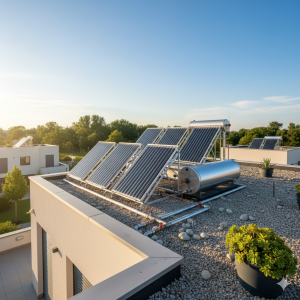

Solar Subsidy for Indian Homes Under PM Surya Ghar Scheme
With rising electricity costs and increasing awareness about renewable energy, solar subsidy in India has become one of the most searched topics among homeowners. The Government of India is actively promoting rooftop solar installations through the PM Surya Ghar Yojana, helping households reduce electricity bills and shift to clean energy.
In this complete guide, we’ll explain the solar subsidy for home, eligibility criteria, solar subsidy amount in India, and the step-by-step application process.
What Is Solar Subsidy for Home in India?
Solar subsidy in India is a financial assistance provided by the Government to encourage residential rooftop solar installations. Under the PM Surya Ghar Yojana, eligible homeowners can receive direct financial benefits to reduce the upfront cost of installing solar panels.
Understanding Government Support for Solar Energy
The government subsidy for solar panels in India represents the nation’s commitment to renewable energy and energy independence. By offsetting a substantial portion of installation costs, the government encourages homeowners to generate their own clean electricity, reduce dependency on conventional power sources, and contribute to India’s ambitious renewable energy targets.
This subsidy applies specifically to on-grid solar systems installed on residential buildings. The financial support is provided as a direct benefit transfer to homeowners’ bank accounts after successful installation and verification, ensuring transparency and eliminating middlemen from the process.
Who Provides the Subsidy?
The Ministry of New and Renewable Energy (MNRE) administers the subsidy program at the central government level. Implementation occurs through state electricity distribution companies (DISCOMs) and designated nodal agencies that verify installations, approve applications, and disburse funds directly to beneficiaries.
This centralized approach with state-level execution ensures consistent subsidy availability across India while allowing for regional variations in implementation procedures. Homeowners work with MNRE-approved solar vendors who understand the application process and ensure installations meet all technical requirements for subsidy eligibility.
PM Surya Ghar Muft Bijli Yojana
The PM Surya Ghar Muft Bijli Yojana represents one of the most ambitious residential solar programs globally, aiming to install rooftop solar systems on one crore (10 million) households across India. This flagship scheme goes beyond simple subsidy provision to create a comprehensive ecosystem supporting solar adoption.
Key Objectives of the Scheme
The yojana pursues multiple interconnected goals that together transform India’s residential energy landscape. Promoting clean and renewable energy stands at the forefront—every rooftop solar installation reduces carbon emissions and dependence on fossil fuel-based power generation. As millions of homes generate solar electricity, the cumulative environmental impact becomes substantial.
Reducing dependency on grid electricity addresses both supply constraints and consumer costs. With rooftop solar, households generate their own power during peak daytime hours when electricity demand and rates are highest. This distributed generation model reduces stress on transmission infrastructure while providing homeowners direct economic benefits.
Providing affordable solar power to households removes the primary barrier to solar adoption—high upfront costs. The substantial subsidy transforms what might be a ₹2-3 lakh investment into a more manageable ₹1-1.5 lakh expense, bringing solar within reach of middle-class families across urban and rural India.
Enabling savings on monthly electricity bills delivers immediate and ongoing benefits. Most residential solar installations reduce electricity bills by 50-90% depending on system size and consumption patterns. These monthly savings accumulate over decades, representing substantial financial relief for families facing rising power costs.
National Impact and Vision
The PM Surya Ghar Yojana envisions transforming India’s energy landscape at the grassroots level. With 10 million solar-powered homes, the program will add approximately 30,000 MW of distributed solar capacity—equivalent to several large power plants. This decentralized generation model enhances energy security while accelerating India’s transition to renewable energy.
Beyond numbers, the scheme creates awareness and normalizes solar adoption. As neighbors see solar installations delivering tangible benefits, adoption spreads organically. This social proof effect could ultimately lead to solar installations far exceeding the initial 10 million household target.
Solar Subsidy Amount in India
Understanding the solar subsidy amount helps you accurately budget for your rooftop solar installation and calculate realistic payback periods. The subsidy structure is designed to make smaller systems highly affordable while still supporting larger installations that meet greater household energy needs.
Detailed Subsidy Structure
The MNRE has established a tiered subsidy structure that provides maximum support for initial capacity while still incentivizing larger installations:
For systems up to 2 kW capacity: Homeowners receive 40% subsidy on the benchmark cost. This generous subsidy makes small solar systems extremely affordable for households with modest electricity consumption. A 2 kW system with a benchmark cost of approximately ₹60,000 per kW (₹1.2 lakhs total) receives ₹48,000 subsidy, reducing your cost to just ₹72,000.
For capacity between 3 kW and 10 kW: The subsidy structure becomes slightly more nuanced. You receive 40% subsidy on the first 2 kW, then 20% subsidy on the additional capacity above 2 kW. For example, a 3 kW system receives 40% on 2 kW plus 20% on the remaining 1 kW. A 5 kW system gets 40% on 2 kW plus 20% on the additional 3 kW.
Calculating Your Subsidy Amount
Let’s examine practical examples showing exact subsidy calculations for common system sizes:
1 kW System:
- Benchmark cost: ₹60,000
- Subsidy at 40%: ₹24,000
- Your cost after subsidy: ₹36,000
2 kW System:
- Benchmark cost: ₹1,20,000
- Subsidy at 40%: ₹48,000
- Your cost after subsidy: ₹72,000
3 kW System:
- Benchmark cost: ₹1,80,000
- Subsidy: ₹48,000 (40% of first 2kW) + ₹12,000 (20% of next 1kW) = ₹60,000
- Your cost after subsidy: ₹1,20,000
5 kW System:
- Subsidy: ₹48,000 (40% of first 2kW) + ₹36,000 (20% of next 3kW) = ₹84,000
- Subsidy at 40%: ₹24,000
- Your cost after subsidy: ₹2,16,000
10 kW System:
- Benchmark cost: ₹6,00,000
- Subsidy: ₹48,000 (40% of first 2kW) + ₹96,000 (20% of next 8kW) = ₹1,44,000
- Your cost after subsidy: ₹4,56,000

Eligibility Criteria for Solar Subsidy in India
Understanding eligibility requirements ensures you qualify for the government subsidy for solar panels in India and avoid application rejection. The criteria are straightforward but must be met precisely for successful subsidy approval.
Primary Eligibility Requirements
- You must be an Indian residential electricity consumer – The subsidy is exclusively for individual homeowners who are registered electricity consumers with valid consumer numbers. Commercial establishments, industries, institutions, and group housing societies follow different subsidy structures or may not qualify at all.
- The solar system must be installed on a residential rooftop – Ground-mounted systems, even on residential property, don’t qualify for residential subsidy. The installation must occur on the rooftop of the dwelling where you reside and consume electricity. This ensures subsidy benefits reach genuine residential consumers.
- The system must be grid-connected (on-grid) – This is crucial: only on-grid systems qualify for residential subsidy. Off-grid systems with battery backup, despite being more expensive, do not receive MNRE subsidy benefits. The on-grid requirement ensures net metering implementation and integration with the electricity grid.
- Installation must be through an MNRE-approved vendor – Only empanelled vendors registered with MNRE or state nodal agencies can install systems eligible for subsidy. This approval ensures technical quality, proper installation standards, and vendor accountability. Installing through unauthorized vendors automatically disqualifies your application.
- Net metering must be approved by the local DISCOM – Before subsidy disbursal, your DISCOM must approve and implement net metering for your installation. This bidirectional meter tracks electricity you export to the grid and import from it, ensuring accurate billing and subsidy calculation.
Who Is NOT Eligible?
Several categories explicitly do not qualify for residential solar subsidy:
- Commercial and industrial buildings cannot claim residential subsidy regardless of solar system size. Separate commercial subsidy programs may exist with different terms and lower benefit percentages.
- Group housing societies and apartment complexes follow different subsidy norms under the group housing category. Individual apartment owners cannot claim residential subsidy for common area installations.
- Government buildings, institutions, and charitable organizations have separate solar programs with distinct funding mechanisms.
- Existing solar installations cannot retroactively claim subsidy. The subsidy applies only to new installations registered through the proper portal before installation begins.
- Systems installed before MNRE approval or without following proper application procedures forfeit subsidy eligibility even if they otherwise meet technical requirements.
Technical Eligibility Requirements
Beyond basic eligibility, your solar system must meet specific technical standards:
- Solar modules must have a minimum 25-year warranty and meet Bureau of Indian Standards (BIS) specifications. Only approved module manufacturers’ products qualify for subsidy-eligible installations.
- Inverters must conform to relevant IEEE and IEC standards with proper safety certifications. Both string inverters and microinverters are acceptable if properly certified.
- The entire system must be designed and installed according to MNRE technical specifications and Central Electricity Authority (CEA) safety regulations.
- Net metering equipment must comply with DISCOM technical requirements and state electricity regulations, with proper meter placement and connection protocols followed exactly.
How to Apply for Solar Subsidy in India: Step-by-Step Process
Applying for solar subsidy for home follows a structured, digital process designed for transparency and efficiency. Understanding each step helps ensure smooth application and timely subsidy disbursal.
Step 1: Register on the National Portal for Rooftop Solar
Begin by visiting the official National Portal for Rooftop Solar (typically accessible through MNRE website or state nodal agency portals). Create an account using your mobile number and email address. You’ll receive an OTP for verification, establishing your authenticated user profile.
During registration, provide accurate personal information including your name exactly as it appears on official documents, complete residential address where solar installation will occur, and Aadhaar details for identity verification. This information must match exactly across all documents to prevent processing delays.
Step 2: Submit Your Electricity Consumer Details
After registration, log into your portal account and enter your electricity consumer information. This includes your unique consumer number from electricity bills, sanctioned load (in kW), and average monthly consumption details. The portal may request recent electricity bills to verify this information.
Ensure all details match your DISCOM records exactly. Discrepancies between portal information and DISCOM databases cause application rejection or delays. If you’ve recently changed connections or addresses, update DISCOM records before beginning the solar subsidy application.
Step 3: Choose an MNRE-Approved Solar Installer
The portal displays lists of MNRE-empanelled vendors operating in your area. Review vendor profiles, ratings, and customer feedback available on the portal. Contact multiple vendors to compare quotations, understanding that prices should align roughly with MNRE benchmark costs for subsidy eligibility.
4E Renew is a TEDA-approved solar installer with extensive experience in handling subsidy applications and rooftop solar projects in Tamil Nadu. Our team handles all paperwork, ensures technical compliance, and coordinates with DISCOMs for net metering approval, making your solar journey completely hassle-free.
Select your preferred vendor through the portal. The vendor receives notification of your selection and contacts you to arrange site survey, provide detailed quotations, and begin the installation planning process.
Step 4: Site Survey and Technical Assessment
Your selected vendor conducts a comprehensive site survey evaluating roof condition and structural capacity, shading analysis identifying optimal panel placement, electrical infrastructure assessment, available roof area and orientation, and proximity to electricity meter for connection.
Based on this assessment, the vendor designs a system matching your electricity consumption, roof constraints, and budget. They provide a detailed proposal including exact system size, equipment specifications, installation timeline, total costs, and subsidy amount you’ll receive.
Step 5: System Installation and Commissioning
After you approve the proposal and make initial payment (typically excluding subsidy amount), installation begins. The vendor handles all technical work including mounting structures, solar panel installation, inverter and electrical components, grid connection preparation, and system testing.
Installation typically takes 2-5 days depending on system size and site conditions. The vendor ensures all work meets MNRE technical standards and safety requirements necessary for subsidy approval.
Step 6: Apply for Net Metering
After physical installation completion, your vendor submits a net metering application to your local DISCOM on your behalf. This application includes installation photos and technical documentation, system specifications and testing reports, and certification that installation meets all technical standards.
DISCOM engineers typically conduct a physical inspection within 7-15 days of application. They verify proper installation, check safety compliance, and approve meter replacement. The DISCOM then installs a bidirectional net meter replacing your existing meter at no cost to you.
Step 7: Submit Installation Details for Subsidy
Once net metering is active, return to the National Portal and submit installation completion details. Upload required documents including installation photos showing panels and inverter, net meter installation certificate from DISCOM, system commissioning report from vendor, bank account details for subsidy transfer, and any other documents specified by your state nodal agency.
The portal generates an application reference number for tracking. Officials verify submitted information against DISCOM records and vendor reports. This verification process typically takes 2-4 weeks.
Step 8: Subsidy Disbursement
After successful verification, the subsidy amount is directly transferred to your bank account through DBT (Direct Benefit Transfer). You receive SMS and email notifications when disbursement occurs. The typical timeline from installation completion to subsidy receipt is 30-90 days, though this varies by state.
Keep all documentation including subsidy credit notification, as these may be required for future reference or tax purposes. Your solar system is now operational, subsidized, and generating savings immediately.
Benefits of Installing Solar with Subsidy
Installing a rooftop solar system with government subsidy for solar panels in India offers compelling benefits extending far beyond simple cost reduction. Understanding these advantages helps appreciate the full value of solar investment.
- Dramatically Lower Initial Investment
- Faster Return on Investment
- Substantial Electricity Bill Reduction
- Increased Property Value
- Environmental Contribution and Clean Energy
- Energy Independence and Security
- Government Recognition and Support

Common Mistakes to Avoid While Applying for Subsidy
Many homeowners inadvertently jeopardize their subsidy eligibility through preventable errors. Avoiding these common mistakes ensures smooth application processing and guaranteed subsidy receipt.
Choosing Non-Approved Solar Vendors
The most critical mistake is hiring vendors not empanelled with MNRE or state nodal agencies. Only approved vendors can install systems eligible for subsidy. Even if an unapproved vendor offers lower prices, you’ll forfeit the entire subsidy amount—often ₹40,000-₹1.4 lakhs—far exceeding any installation savings.
Always verify vendor credentials through official portals before signing contracts. Approved vendors display registration certificates and understand exact documentation requirements. They’ve demonstrated technical competence and financial stability to MNRE, reducing your risk of poor installation quality or vendor disappearance before subsidy disbursal.
4E Renew is officially TEDA-approved and manages hundreds of solar subsidy applications every year in Tamil Nadu. Our expertise navigating the process eliminates approval risks while ensuring you receive maximum eligible benefits without delays.
Tamil Nadu State Subsidy (Chief Minister’s Solar Rooftop Capital Incentive Scheme)
Under this Scheme, consumers can install Solar PV plants at their homes at subsidized costs, with a subsidy of Rs. 20,000 provided by the state government of Tamil Nadu.This scheme offers a subsidy of Rs. 20,000 per kilowatt for on-grid residential solar, which is the highest amount you can get per flat/house even if you install a solar system with higher capacity.Fixed amount of ₹20,000 per household (not per kW for higher capacities)
Eligibility Criteria for Solar subsidy in Tamil Nadu
The Tamil Nadu state solar subsidy has three fundamental eligibility requirements that all applicants must meet to qualify for the ₹20,000 incentive under the Chief Minister’s Solar Rooftop Capital Incentive Scheme. To apply for solar subsidy for home, you must meet the following criteria:
- Applicant must be an Indian citizen
- Property must be residential
- System must be installed through an approved vendor
- Only domestic consumers with TANGEDCO service connection
- Must install grid-connected rooftop solar PV systems
- Installation must be on residential rooftops
Make Solar Affordable with 4E Renew – Your Trusted TEDA-Approved Partner
Ready to slash your electricity bills and embrace clean energy with maximum solar subsidy for home in India? The combination of government support and expert installation makes this the perfect time to go solar, and 4E Renew ensures you capture every rupee of available benefits.
Visit 4E Renew today for your free solar consultation and subsidy eligibility assessment. Our solar experts will:
- Calculate your exact subsidy eligibility
- Design an optimal system for your home
- Provide transparent pricing with subsidy breakdown
- Explain the complete process and timeline
- Answer all your questions about solar and subsidies
Start Your Solar Installation with 4ERenew Today
Call us now or visit our website to schedule your free site assessment.
Join thousands of satisfied homeowners across India who’ve slashed electricity bills while going green with 4E Renew’s expert solar installation and subsidy assistance.
Don’t pay full price for solar when government subsidies can reduce your costs by 30-40%.
Let 4E Renew help you maximize savings, minimize hassle, and enjoy decades of clean, affordable solar electricity. Your energy independence journey starts with one call—reach out today!
