
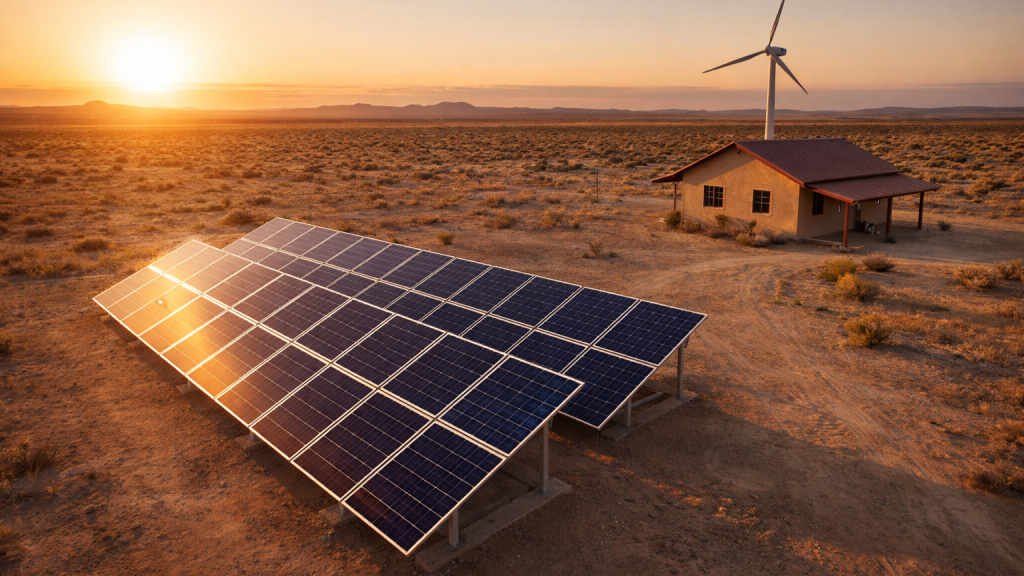

Off-Grid Solar Installation in India for Homes & Remote Areas
Off-grid solar installation is the ideal solution for homes, businesses, and institutions located far from the utility grid or those seeking complete energy autonomy. With rising electricity costs and frequent power disruptions, investing in an off-grid solar panel system ensures uninterrupted, sustainable electricity—anywhere, anytime.
This guide explains how off-grid solar panel installation works, its components, benefits, costs, and why it’s the best choice for energy independence.
What Is Off-Grid Solar Panel Installation?
Off-grid solar installation refers to setting up a solar power system that operates independently of the government electricity grid. Unlike on-grid systems, a complete off-grid solar setup includes batteries to store energy for night-time and cloudy days.
An off-grid solar panel system is commonly used in:
- Remote villages and rural homes
- Farmhouses and agricultural sites
- Hills, islands, and forest regions
- Industrial or commercial sites needing backup-free power
- On-grid systems offer faster return on investment
With proper design, off-grid solar installation delivers consistent power without relying on external electricity sources.
Why Choose Solar Panel Installation for Remote Areas?
Solar panel installation for remote areas solves the biggest challenge—lack of grid connectivity. Extending power lines is expensive and unreliable, while diesel generators increase fuel and maintenance costs.
Key reasons to choose solar panel installation for remote areas:
- No dependency on grid electricity
- Reliable power in inaccessible locations
- One-time investment with long-term savings
- Ideal for schools, clinics, and telecom towers
A well-designed off-grid solar panel system ensures round-the-clock power even in the most isolated locations.
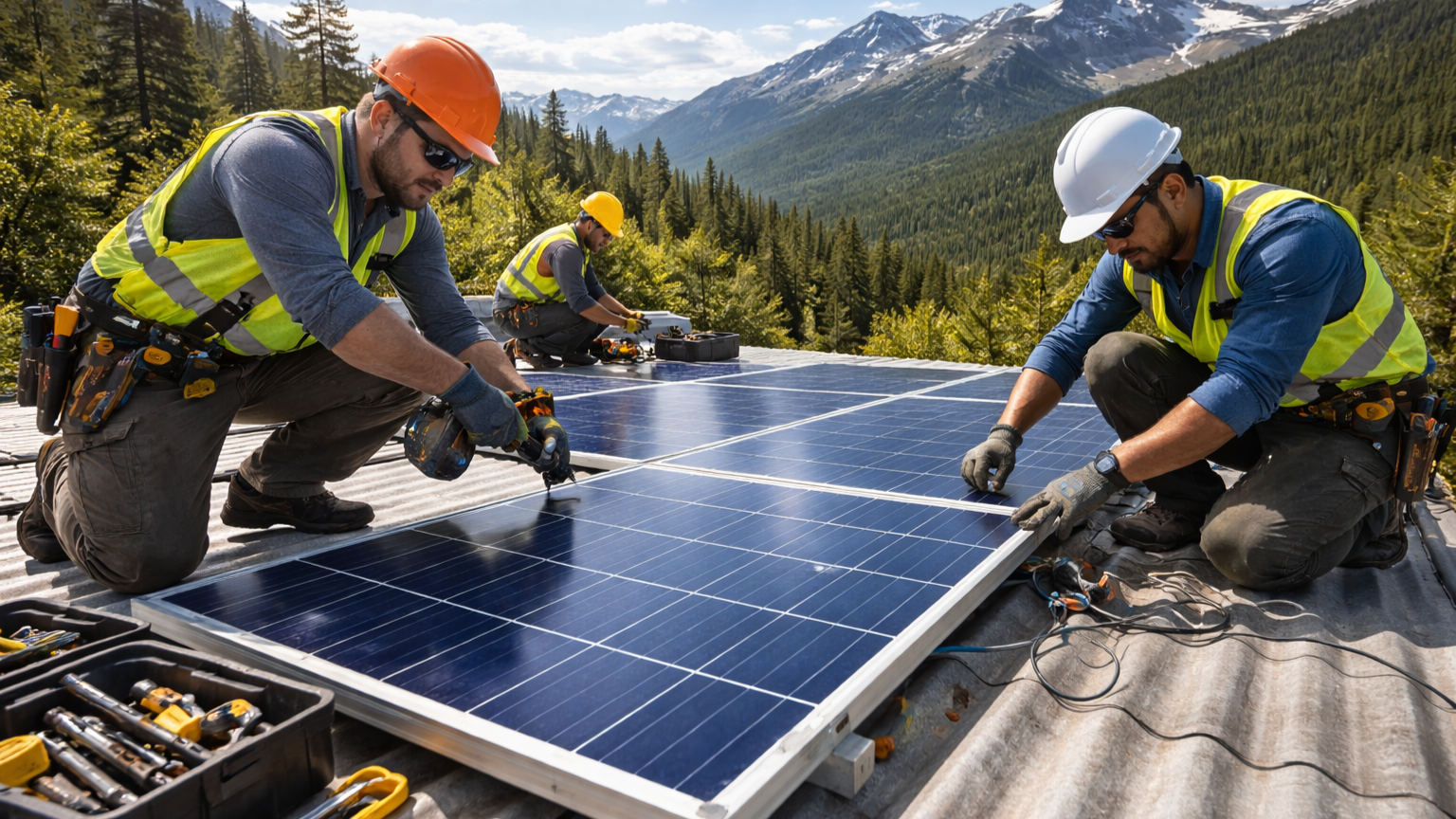
Components of a Complete Off-Grid Solar Setup
A complete off-grid solar setup requires several interconnected components working together to provide reliable, independent power. Understanding each element helps homeowners make informed decisions when planning their off-grid solar panel installation.
1. Solar Panels
High-efficiency solar panels capture sunlight and generate electricity—forming the foundation of any off-grid solar panel installation. These panels are available in various types, including monocrystalline, polycrystalline, and thin-film options, each offering different efficiency levels and price points.
For off-grid systems, sizing is critical. You’ll need enough panels to meet your daily energy consumption plus extra capacity to charge your battery bank fully. Most off-grid homes require larger arrays than grid-tied systems because there’s no utility backup. Panel placement and angle must be optimized to maximize sun exposure throughout the year, especially during winter months when sunlight is limited.
2. Solar Charge Controller
The charge controller regulates voltage and current flowing from the solar panels to the batteries, protecting them from overcharging and ensuring system longevity. This component acts as the brain of your charging system, automatically adjusting power flow based on battery status.
There are two main types: PWM (Pulse Width Modulation) controllers, which are more affordable and suitable for smaller systems, and MPPT (Maximum Power Point Tracking) controllers, which are more efficient and extract up to 30% more power from panels. For a complete off-grid solar setup, MPPT controllers are generally recommended as they maximize energy harvest, especially in varying weather conditions.
3. Battery Bank
The battery bank is truly the heart of a complete off-grid solar setup. These batteries store excess energy generated during sunny hours for use during nighttime and cloudy periods when panels aren’t producing electricity.
Battery capacity is measured in kilowatt-hours (kWh) and must be sized to provide several days of backup power—typically 2-4 days of autonomy is recommended for most climates. Common battery types include lead-acid (flooded or sealed), lithium-ion, and newer lithium iron phosphate (LiFePO4) options. Lithium batteries cost more upfront but offer longer lifespans, deeper discharge capabilities, and require less maintenance than traditional lead-acid batteries.
Proper battery placement in a temperature-controlled environment and regular maintenance are essential for maximizing battery life and performance in your off-grid solar panel system.
4. Off-Grid Inverter
The off-grid inverter converts DC (direct current) power from your solar panels and batteries into AC (alternating current) power that standard household appliances require. Unlike grid-tied inverters, off-grid inverters must handle all power management independently without utility grid support.
Quality off-grid inverters include built-in features like surge capacity to handle motor starting loads from refrigerators, pumps, and power tools. Many modern units combine inverter and charge controller functions in a single device, simplifying installation and reducing costs. Pure sine wave inverters are essential for sensitive electronics and ensure all your appliances run smoothly and efficiently.
When selecting an inverter, ensure it can handle your peak power demands plus a 25-30% safety margin for unexpected loads.
5. Mounting Structures & Wiring
Secure mounting structures and proper wiring ensure safety, durability, and optimal performance of your off-grid solar panel system. Mounting options include roof-mounted racks, ground-mounted arrays, or pole-mounted systems, each suited to different property types and conditions.
Ground-mounted systems are particularly popular for off-grid installations as they’re easier to access for maintenance, can be oriented for optimal sun exposure regardless of building orientation, and can be expanded more easily as energy needs grow.
Wiring must be properly sized to handle current loads without voltage drop or overheating. Using quality cables rated for outdoor use, proper conduit protection, and weatherproof connections prevents system failures and safety hazards. Grounding and surge protection equipment safeguard your investment from lightning strikes and electrical surges.
Professional installation ensures all components meet electrical codes and safety standards, providing peace of mind that your complete off-grid solar setup will deliver reliable power for decades to come.
6. Backup Generator (Optional but Recommended)
While not always listed as essential, many off-grid homeowners include a backup generator as an insurance policy. During extended periods of cloudy weather or unexpectedly high energy usage, a generator can recharge batteries and prevent complete power loss. This hybrid approach provides the best of both worlds—renewable solar energy as the primary source with fossil fuel backup for emergencies.
How an Off-Grid Solar Panel System Works
An off-grid solar panel system works through a carefully coordinated process that ensures continuous power availability without any connection to the utility grid. Understanding this operational cycle helps homeowners appreciate the sophistication and reliability of modern off-grid solar technology.
Step 1: Solar Panels Generate Electricity During Daylight
The process begins each morning as sunlight strikes your solar panels. Photovoltaic cells within the panels immediately start converting sunlight into direct current (DC) electricity. Power generation increases gradually as the sun rises, reaching peak production during midday hours when sunlight is most intense, typically between 10 AM and 2 PM.
The amount of electricity generated depends on several factors: the size of your solar array, the efficiency of your panels, weather conditions, seasonal variations, and geographic location. On clear, sunny days, your system may produce significantly more power than your home requires, which is exactly what an off-grid solar panel system is designed to handle.
During this generation phase, the charge controller monitors the incoming power and manages its distribution throughout your system, ensuring optimal performance and protecting your equipment from voltage spikes or overload conditions.
Step 2: Power Is Used Instantly, While Excess Energy Charges Batteries
As electricity flows from your solar panels, it follows a smart priority system. First, the power directly supplies your home’s immediate electrical needs—running lights, appliances, electronics, and any other devices currently in use. This direct consumption is the most efficient use of solar energy since there are no conversion or storage losses.
Any electricity generated beyond your immediate consumption doesn’t go to waste. Instead, the charge controller automatically directs this excess energy to your battery bank for storage. This charging process continues throughout sunny periods, gradually filling your batteries to capacity. The charge controller constantly monitors battery voltage and state of charge, adjusting the charging rate to prevent overcharging while maximizing storage efficiency.
On particularly sunny days with low energy consumption, your batteries may reach full charge by early afternoon. Once batteries are full, some advanced systems can divert excess power to secondary loads like water heating, pool pumps, or other non-essential applications, ensuring no solar energy is wasted.
Step 3: Stored Energy Is Used at Night or During Low Sunlight
As evening approaches and solar production decreases, your off-grid solar panel system seamlessly transitions to battery power. The inverter draws DC electricity from your battery bank and converts it to AC power for your home’s use. This transition happens automatically without any noticeable interruption to your power supply—lights stay on, appliances keep running, and devices continue charging.
Throughout the night and during cloudy periods, your batteries serve as your primary power source. A well-designed system includes enough battery capacity to power your home for multiple days without sunlight, providing security against extended periods of overcast weather. The depth of discharge—how much battery capacity you use before recharging—is carefully managed by your system to extend battery lifespan.
As dawn breaks, the cycle begins again. Solar panels resume generation, first meeting your morning energy needs, then gradually recharging the batteries that sustained your home overnight.
The Complete Cycle Ensures Reliability
This three-step cycle repeats day after day, creating a self-sustaining power ecosystem that operates independently of the electrical grid. The beauty of an off-grid solar panel system lies in its predictability and reliability. Unlike grid power that can fail during storms or infrastructure problems, your off-grid system continues operating as long as the sun rises.
Modern monitoring systems allow homeowners to track this entire process in real-time through smartphone apps or computer interfaces. You can watch energy generation, consumption patterns, battery charge levels, and system health, giving you complete visibility and control over your power supply.
Why This System Works So Well
This cycle ensures uninterrupted power, making off-grid solar panel installation highly reliable for both residential and commercial use. The key to success lies in proper system sizing—having enough solar capacity to meet your daily needs plus recharge batteries, and sufficient battery storage to cover nighttime usage and low-production periods.
When professionally designed and installed, an off-grid solar panel system can provide decades of reliable, maintenance-free power. The system’s intelligent automation means you enjoy modern electrical conveniences without worrying about utility bills, power outages, or grid dependency. Whether you’re powering a remote cabin, a suburban home choosing energy independence, or a commercial facility in an area with unreliable grid access, this proven cycle delivers consistent, clean energy year-round.
Cost of Off-Grid Solar Panel Installation in India
The cost of off-grid solar installation depends on:
- Daily energy consumption
- Battery capacity required
- Type of inverter and panels
- Location and installation complexity
Although the initial cost is higher than on-grid systems, a complete off-grid solar setup eliminates monthly electricity expenses and fuel costs, offering excellent long-term returns.
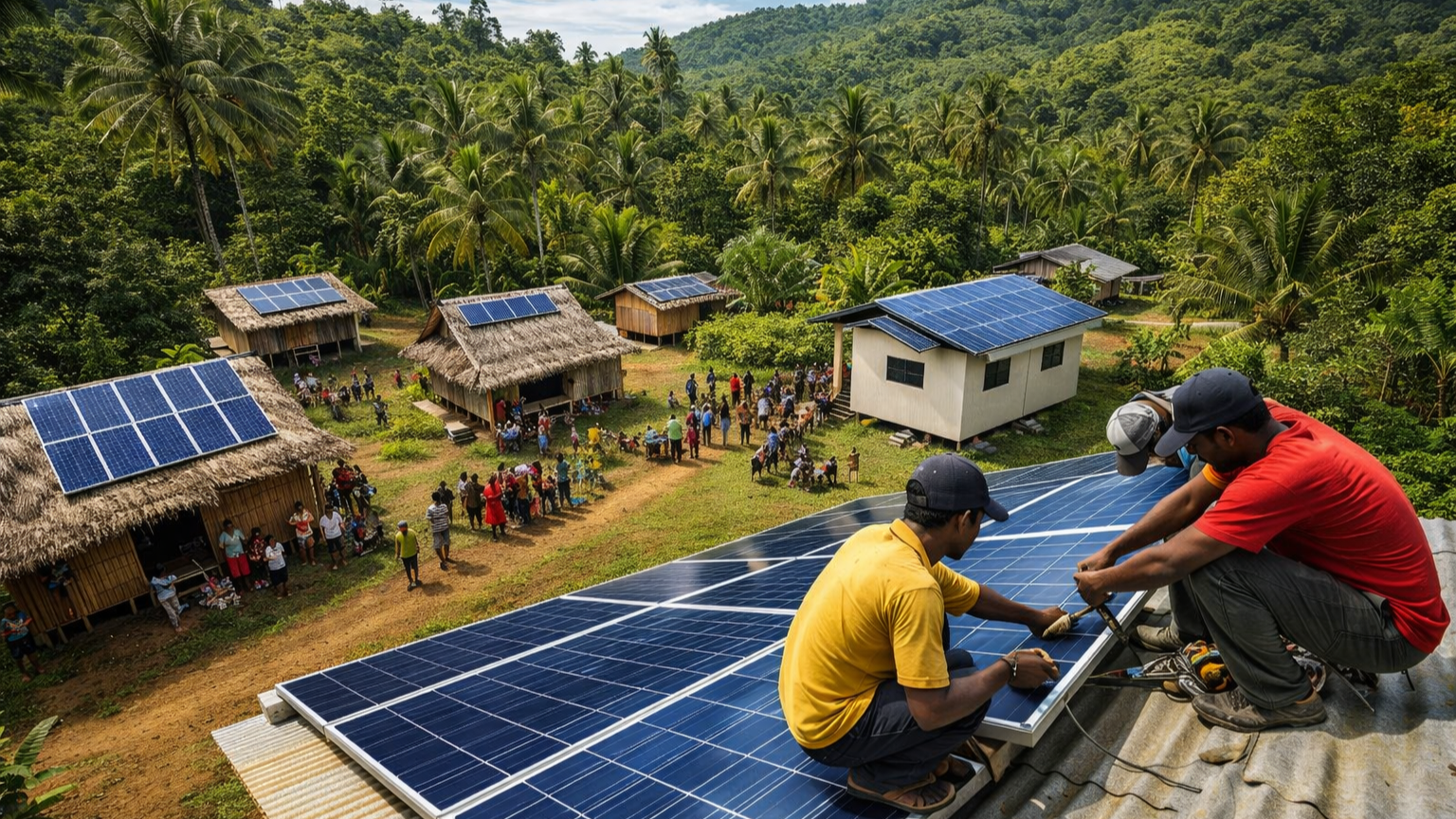
Is Off-Grid Solar Right for You?
Choose off-grid solar panel installation if you:
- Live in a remote or rural area:Where grid connection is unavailable, unreliable, or prohibitively expensive to establish
- Face frequent power outages:Tired of disruptions that affect your work, comfort, and daily routine
- Want total energy independence: Free yourself from rising utility costs and dependence on power companies
- Prefer sustainable, eco-friendly power: Reduce your carbon footprint and embrace clean, renewable energy
With proper planning, an off-grid solar panel system can reliably power homes, offices, farms, and institutions.
Real-World Applications
With proper planning and professional installation, an off-grid solar panel system can reliably power:
- Residential Properties: Entire homes with all modern appliances, lighting, heating, and cooling systems operating seamlessly on solar power
- Commercial Spaces: Offices, retail locations, and small businesses maintaining full operational capacity without grid connection
- Agricultural Operations: Farms and ranches powering irrigation systems, livestock facilities, grain storage, and processing equipment
- Educational Institutions: Schools and training centers in remote areas providing quality education with reliable electricity
- Healthcare Facilities: Clinics and medical outposts maintaining critical equipment and refrigeration for vaccines and medicines
- Telecommunications: Remote cell towers, radio stations, and communication infrastructure ensuring connectivity
Solar Panels for Energy Independence: Key Benefits
Using solar panels for energy independence empowers users to generate and manage their own electricity without external control.
Benefits include:
-
- 100% freedom from electricity bills
- Protection from power cuts and voltage fluctuations
- Clean, renewable energy with zero emissions
- Long-term cost savings
By choosing solar panels for energy independence, households and businesses gain full control over their power needs through off-grid solar panel installation.
Choose 4E Renew for Trusted Off-Grid Solar Solutions
If you’re planning a reliable off-grid solar panel installation, partner with experts you can trust. 4E Renew offers customized off-grid solar panel system solutions designed for performance, durability, and energy independence.
Start Your Off-Grid Solar Installation with 4ERenew Today
Contact 4E Renew today to get a tailored off-grid solar panel installation that delivers reliable power—anywhere you need it.
