

The world is quickly moving toward clean energy, and installing a solar power system is one of the smartest upgrades you can make for your home. It not only reduces your carbon footprint but also helps you save money and enjoy more control over your electricity. With a professional solar panel installation, you get long-term savings, reliable power, and a home that’s ready for the future. This easy guide will walk you through the benefits, process, and key things to know before going solar.
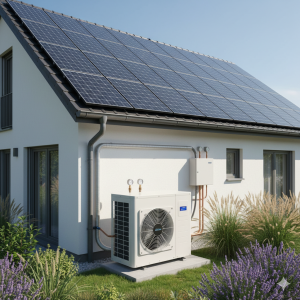
Why Invest in Solar Panel Technology?
Investing in solar panels is a smart long-term decision that delivers immediate savings and future benefits:
-
Save Big on Electricity Bills: Generate your own power and cut monthly utility costs for 25+ years.
-
Increase Home Value: Solar-equipped homes sell faster and at higher prices.
-
Achieve Energy Independence: Avoid rising electricity rates and stay powered during outages, especially with battery backup.
-
Enjoy Government Incentives: Federal tax credits, state rebates, and local schemes reduce installation costs.
-
Protect the Environment: Lower your carbon footprint and support a cleaner, greener planet.
The Step-by-Step Solar Panel Installation Process
A professional solar panel installation follows a clear process to make sure your system works safely and efficiently.
1. Site Check & System Planning
Experts visit your home to check your roof, sunlight, and energy needs. Based on this, they design a custom solar system with the right number of panels, inverter type, and optional battery.
2. Getting Permits & Approvals
The installer handles all paperwork, including building permits and approval from the electricity board, making sure everything is legal and compliant.
3. Mounting the Structure
Strong metal frames (racks) are fixed to your roof. These hold the solar panels safely for many years.
4. Installing the Panels
The solar panels are placed on the racks and tightly secured. Then, the panels are connected together using the necessary wiring.
5. Electrical Wiring & Grid Connection
The power from the panels is connected to an inverter, which converts solar energy into usable electricity for your home. The inverter is then connected to your main power board and the utility grid for net metering.
6. Final Inspection & System Start-Up
After installation, officials inspect the system. Once approved, the installer turns it on—and your home begins producing clean solar energy.
On-Grid vs. Off-Grid Solar Panel Systems
| Feature | On-Grid (Grid-Tied) System | Off-Grid (Standalone) System |
|---|---|---|
| Grid Connection | Yes—Connected to the utility grid. | No—Completely independent and self-sufficient. |
| Battery Requirement | No (Optional for backup) | Mandatory for storing energy for nighttime or cloudy days. |
| Backup Power | No power during grid outages unless a Hybrid battery backup is used. | Yes, provides continuous power from batteries during grid outages. |
| Excess Energy | Exported to the grid for credits (Net Metering). | Stored in the batteries for later use. |
| Best Suited For | Urban/suburban homes with a reliable power grid and the goal of maximum savings. | Remote locations with no grid access or those seeking complete energy independence. |
Solar Panel Installation Cost
Before investing in solar, it’s important to know the upfront cost and how long each part of the system will last. This helps you understand your long-term savings and ROI.
Installation Cost Overview
Your solar cost mainly depends on whether you choose an on-grid or off-grid system.
On-Grid System (More Budget-Friendly)
-
Lower upfront cost
-
No batteries required
-
You use the grid as backup
Off-Grid System (Higher Cost)
-
Needs a battery bank for power storage
-
Batteries increase the total price
-
Ideal for areas with frequent power cuts
Example (3kW System):
-
On-Grid: Moderate price
-
Off-Grid: 20–50% more expensive than on-grid
Lifespan of Key Components
A good solar system lasts for decades. Here’s a quick look at how long each part works:
| Component | Average Lifespan | What It Means |
|---|---|---|
| Solar Panels | 25–30+ years | Continue to produce 80–85% power even after 25 years |
| Inverters | 10–15 years | Will need replacement once during system life |
| Batteries (Off-Grid) | 5–15 years | Need 1–2 replacements depending on battery type |
Choosing the Right Solar Panel Provider
Picking the right installer is just as important as choosing the right solar panels. A trusted provider ensures smooth installation, better performance, and long-term peace of mind.
-
Proven Experience:Choose companies with a solid track record, proper licenses, and certified technicians.
-
Strong Warranties:Good installers offer long-term product and performance warranties—often up to 25 years.
-
Local Expertise:A provider who understands local rules, approvals, and utility procedures will handle everything faster and hassle-free.
Final Thoughts – Switch to Solar With Confidence
Investing in solar is one of the smartest choices you can make for a cleaner environment, lower energy bills, and a more secure future. With the right installer, the process becomes simple, safe, and long-lasting.
Ready to Go Solar? Choose 4E renewables
Take the first step toward clean, affordable, and reliable energy!
4E renewables provides expert solar panel installation, premium-quality materials, and end-to-end support for your home or business.
👉Request a free site assessment
👉 Get a customized solar quote
👉 Save more with government-backed subsidies
Choose smarter energy. Choose 4E renewables
