


Introduction: Lighting the Path to a Greener Future
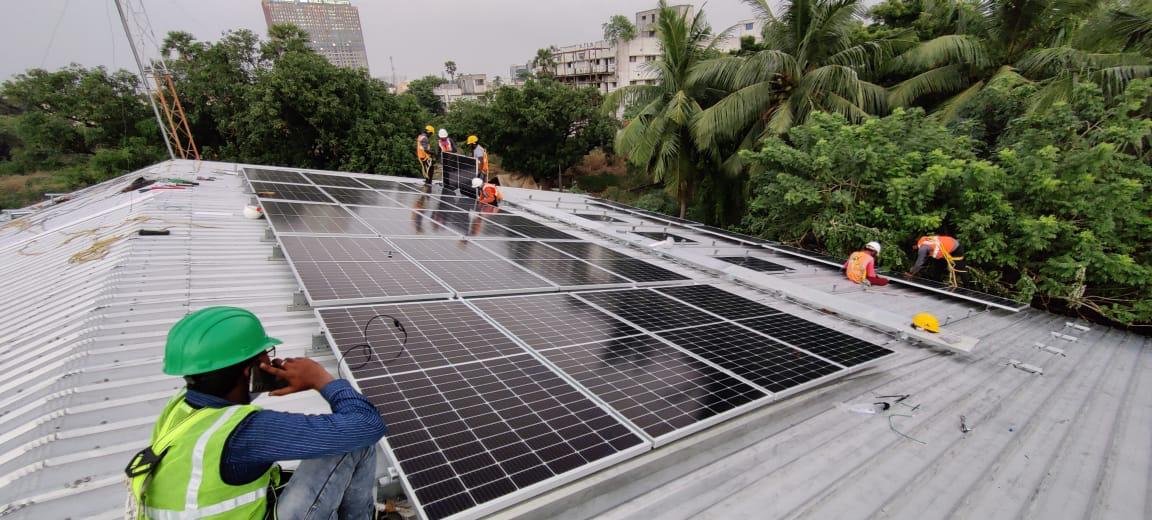
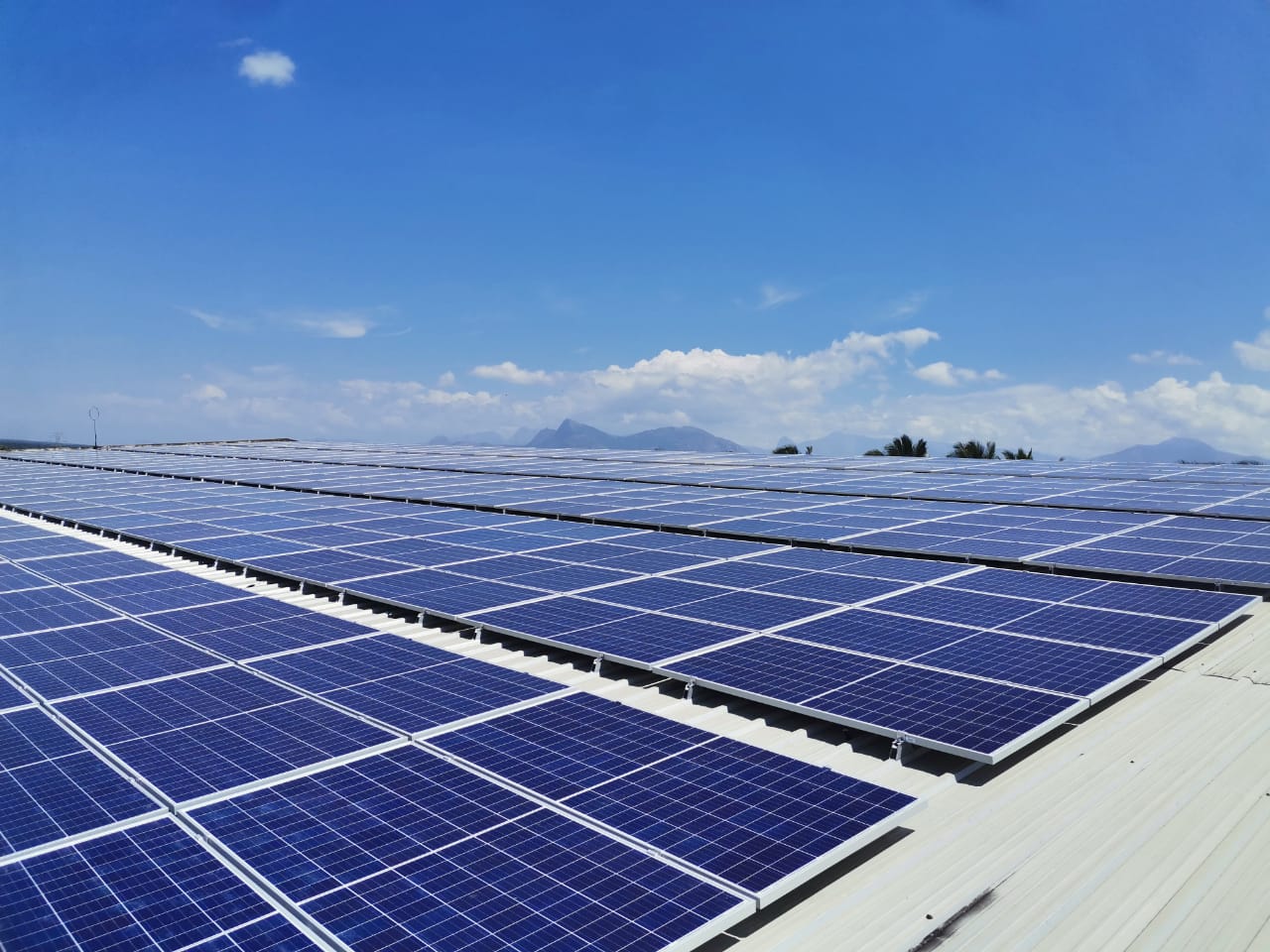
The future of energy is renewable, and India is at the forefront of this transformation. On the auspicious occasion of Navratri, 4E Renewables (4ERenew) proudly announced the successful completion of an 800 KW Turnkey Solar Plant for a leading textile mill in Tiruppur, Tamil Nadu.
What makes this achievement extraordinary is not only the scale of the project but also the record time of just three months in which it was delivered. This milestone is a reflection of 4ERenew’s vision, engineering excellence, and unwavering commitment to promoting sustainable energy solutions for industries across India.
In this blog, we’ll dive deep into the benefits of large-scale solar projects, the real-world use cases, the limitations businesses should consider, and the emerging solar trends in 2025. By the end, you’ll see why this achievement by 4ERenew is more than a milestone—it’s a turning point for industrial energy transition in India.
Why Tiruppur? The Textile Capital of India Embraces Solar
Tiruppur, often called the “Knitting Capital of India”, is home to thousands of textile and garment units that operate round the clock. With high energy demands and global buyers increasingly asking for eco-friendly practices, sustainability is no longer optional—it’s essential.
By installing an 800 KW rooftop solar plant, this textile mill has:
- Reduced its dependency on conventional electricity sources
- Cut down operational costs significantly
- Improved its green footprint to align with international compliance standards
This project proves that industries of all sizes can transition to clean energy without compromising performance.
The Benefits of Large-Scale Solar Plants for Industries
- Massive Cost Savings
Solar energy dramatically reduces electricity bills. For industries like textiles, which consume power heavily, the savings can reach millions of rupees annually.
- Energy Independence
With solar, industries reduce dependence on the state grid, safeguarding against price hikes and power shortages.
- Environmental Impact
An 800 KW solar plant offsets hundreds of tons of CO₂ annually, contributing directly to India’s sustainability goals.
- Brand Image & Global Standards
International buyers prefer suppliers with green certifications. Adopting solar improves brand credibility in the global supply chain.
- Quick ROI (Return on Investment)
Most solar projects in India pay back their cost within 3–5 years, after which the savings are pure profit.
Limitations of Large-Scale Solar Installations
While solar is a powerful solution, businesses must also be aware of its limitations.
- Space Requirements: A large roof or open land is needed to host hundreds of panels.
- Initial Investment: The upfront cost can be significant, although government subsidies and financing options help.
- Weather Dependency: Solar energy generation varies with sunlight availability, especially during monsoon seasons.
- Maintenance Needs: Though minimal, regular cleaning and monitoring are required to maintain performance.
The good news? With 4ERenew’s end-to-end EPC solutions, businesses can overcome these limitations with proper planning and professional execution.
Real-World Use Cases of Industrial Solar
Solar power is no longer just for homes—it’s transforming industries worldwide. Here’s how businesses in India and beyond are leveraging solar energy:
- Textiles (Tiruppur, Surat, Ludhiana): Factories with 24/7 operations use solar to reduce daytime power costs.
- Automobile Manufacturing: Plants integrate solar with automation systems to cut carbon emissions.
- Food Processing Units: Solar helps reduce refrigeration and processing costs.
- IT Parks and SEZs: Rooftop solar plants are becoming standard for large office complexes.
- Agriculture & Cold Storage: Solar-powered irrigation and storage facilities reduce rural energy dependency.
The Tiruppur textile plant is a shining example of how industrial-scale solar adoption is driving India toward energy security.
Solar Energy Trends in 2025
The solar industry is evolving faster than ever. Here are the top trends businesses can expect in 2025:
- Hybrid Solar Systems
Combining solar with battery storage ensures uninterrupted power supply, even during grid outages.
- AI-Powered Monitoring
Artificial intelligence and IoT tools will optimize panel performance and predict maintenance needs.
- Floating Solar Plants
India is exploring solar projects on lakes and reservoirs to save land space.
- Green Financing Options
Easier access to loans and subsidies will accelerate adoption for MSMEs and industries.
- Corporate Sustainability Push
Global companies demand suppliers meet ESG (Environmental, Social, Governance) benchmarks. Solar adoption will be a critical compliance factor.
Pros and Cons of Solar Energy for Industries
Pros
✅ Reduced electricity bills
✅ Environmentally friendly
✅ Low operating costs after installation
✅ Long lifespan (25+ years for panels)
✅ Enhances corporate image
Cons
❌ High upfront cost (though decreasing annually)
❌ Performance depends on sunlight availability
❌ Requires large installation space
❌ Needs periodic cleaning and maintenance
When weighed together, the pros far outweigh the cons, especially for power-intensive industries like textiles, manufacturing, and food processing.
Why 4ERenew and SVS Energy Stand Out
The 800 KW Tiruppur project isn’t just another solar installation—it’s proof of 4ERenew’s reliability. The project was completed in record time—just three months—without compromising on quality, safety, or performance.
Backed by Suryavizhudhugal Energy Solutions Pvt. Ltd. (SVS Energy), the partnership delivers:
✔ End-to-End EPC Solutions
✔ Global Standards with Local Expertise
✔ 35+ MW Projects Successfully Executed
✔ Commitment to Timely Delivery
✔ Trusted by MSMEs and Global Enterprises
Conclusion: A New Dawn for Industrial Solar in India
The successful completion of the 800 KW solar plant in Tiruppur marks a new chapter for 4ERenew, SVS Energy, and the Indian textile industry. By adopting clean energy, businesses are not just reducing costs—they’re shaping a sustainable future for the next generation.
As solar technology advances and industries embrace green energy, milestones like this remind us that renewable energy is not just about electricity—it’s about evolution, responsibility, and growth.
At 4ERenew, we’re proud to lead this movement, one project at a time.
